

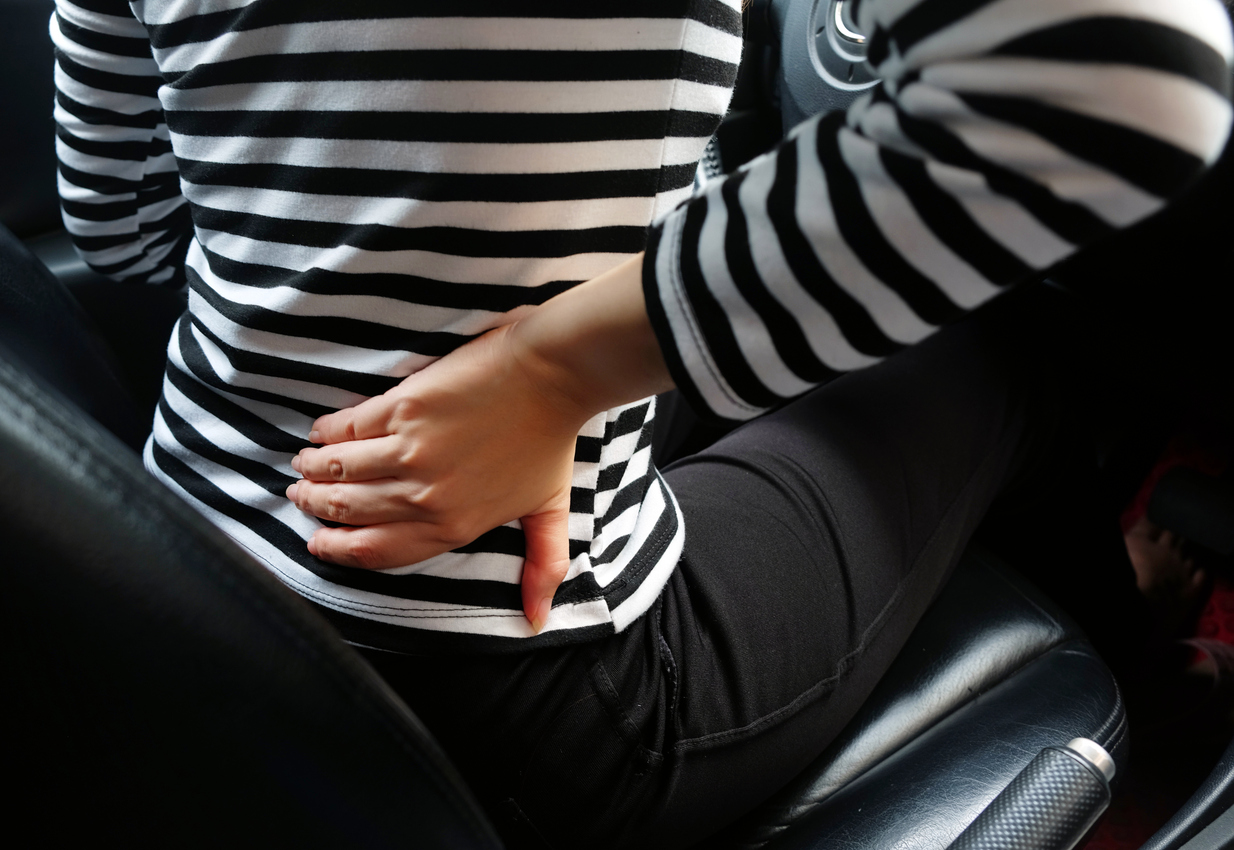
Road trips, flights, and long days of sitting can challenge your back. Here is how to travel more comfortably this summer.
Summer often brings road trips, vacations, family visits, and opportunities to explore new places. It can also bring long hours of sitting, heavy luggage, unfamiliar beds, and changes in routine that may leave your back feeling stiff, sore, or irritated.
If you have ever arrived at your destination wondering why your back feels tighter, stiffer, or more irritated than expected, the answer may involve more than just time spent sitting. In my practice, I often see how travel habits, movement patterns, and prolonged sitting can influence back discomfort. Low back pain while driving is a common concern during travel season; long flights, sightseeing, and extended sitting can create similar challenges.
The good news is that small changes in how you sit, move, and prepare for travel can make a meaningful difference. Whether you are planning a weekend getaway or a longer summer adventure, a few practical strategies may help you stay more comfortable on the road.
Why Travel Can Trigger Low Back Pain
Travel puts demands on the body that are easy to underestimate. Hours spent in a car, airplane seat, or airport terminal can reduce movement, tighten muscles, and increase stress on the lower back.
Driving can be especially challenging because your body stays in a relatively fixed position for extended periods. Your hips remain bent, your arms stay forward toward the wheel, and posture often changes gradually as the miles add up. Even a seat that feels comfortable at the beginning of a trip may begin placing more strain on the back later in the day. These factors can contribute to low back pain while driving, particularly during longer summer road trips.
In my work as a physical therapist and Pilates instructor, I often see how travel can interrupt the movement patterns that normally help support the back. You may spend more time sitting than usual, sleep on a mattress your body is not accustomed to, or go from hours in the car to a full day of walking, sightseeing, hiking, or recreational activities. Carrying luggage, lifting coolers, loading cars, or managing overhead bags may add to the strain.
Even people who are generally active sometimes notice increased stiffness or discomfort during travel. For those already living with chronic low back pain, summer trips may make symptoms more noticeable.
Low Back Pain While Driving: Small Adjustments That May Help
When people think about travel-related back pain, they often focus on the length of the drive. How you sit and how often you change position during the drive can matter just as much.
Seat position plays a bigger role than many people realize. Sitting too far from the wheel can encourage reaching and slouching, while sitting too close may crowd the hips and place the spine in a less comfortable position. Ideally, your seat should allow you to reach the pedals and steering wheel comfortably while maintaining support through your back.
One strategy I often suggest for longer drives is experimenting with gentle lumbar support. A small cushion or even a rolled towel placed behind the lower back may help support the natural curve of the spine.
Movement matters, too. During long drives, try not to stay locked into one position for hours at a time. Changing position occasionally, adjusting posture, and taking movement breaks when possible may help reduce stiffness and discomfort. If appropriate and safe to do so, use cruise control so you can change positions and shift in your seat. Stopping to walk, stretch, or simply stand for a few minutes can help break up prolonged sitting.
In my short video, “Back Pain While Driving?”, I demonstrate some of these positioning and posture strategies for staying more comfortable behind the wheel.
Flying With Back Pain: Do Not Forget to Move
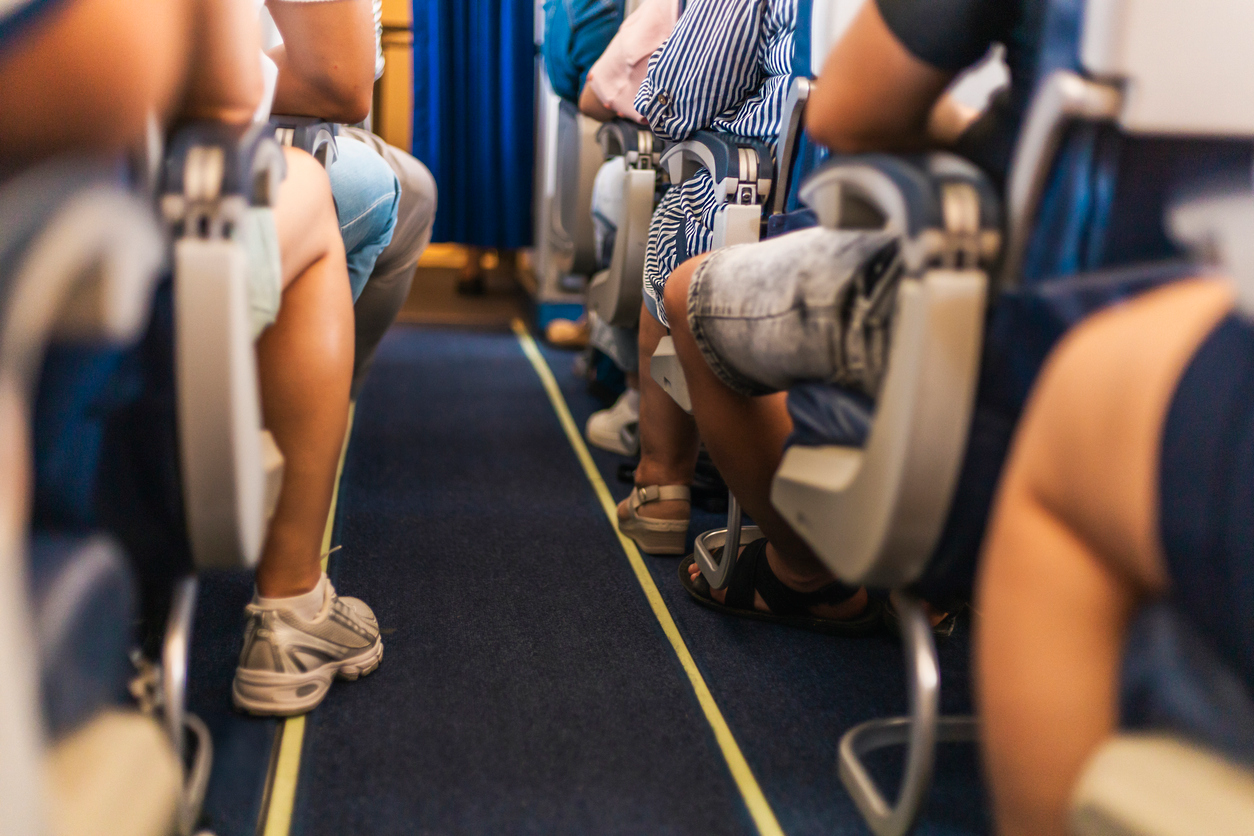 Air travel can create similar issues, especially when flights involve long periods of sitting and limited opportunities to change position.
If you are flying, consider choosing an aisle seat when possible so getting up and moving feels easier. Gentle ankle pumps, shifting posture periodically, and brief walks down the aisle during appropriate times can help reduce stiffness.
Supporting your lower back may also help during flights. Some travelers find a small travel pillow, folded sweater, or lumbar cushion useful for maintaining a more comfortable sitting position.
One point I frequently emphasize is that the body generally responds better to variety and movement than to staying rigidly still for hours. Small changes in position can be helpful.
Travel Habits That Often Surprise People
Sometimes it is not the car ride or the flight that creates the biggest problem. It is what happens before and after.
Lifting heavy luggage into a trunk, pulling a suitcase through an airport, carrying a shoulder bag on one side, or sleeping on an unfamiliar mattress can all influence how your back feels.
Vacation activity can also catch people off guard. After hours of travel, it is tempting to jump right into sightseeing, hiking, shopping, pickleball, or chasing grandchildren around the pool. Your enthusiasm may be ready for action even if your body would benefit from a slower transition.
In my practice, I often encourage people to pace activities during travel, build in short movement breaks, and pay attention to early signs of stiffness or fatigue rather than pushing through discomfort.
Physical Therapy and Pilates Strategies for Summer Travel
Preparing for travel is not just about packing clothes and making reservations. Preparing your body matters, too.
As a physical therapist and Pilates instructor, I help people look at the movement patterns, muscle imbalances, flexibility limitations, and postural habits that may contribute to back discomfort. Improving core support, hip mobility, body awareness, and movement efficiency may help reduce strain during travel and everyday activities.
If low back pain while driving regularly interferes with work commutes, road trips, or vacations, it may be worth looking beyond temporary fixes and exploring what your body may need for longer-term comfort and function.
Travel More Comfortably This Summer
Summer travel should leave you with memories, experiences, and enjoyment, not lingering back discomfort that follows you home.
If low back pain while driving or travel-related back pain is making you dread road trips, flights, or long days on the move, it may be time to take a closer look at the factors contributing to your symptoms. At Kathleen McDonough’s Physical Therapy and Pilates, I help people improve mobility, strength, body awareness, and movement strategies that support more comfortable movement during travel and everyday life.
With the right preparation and individualized guidance, your body can feel more prepared for wherever summer takes you.
For more ways to stay healthy and comfortable during summer travel, take a look at my blog, Healthy Tips for Summer Travel.