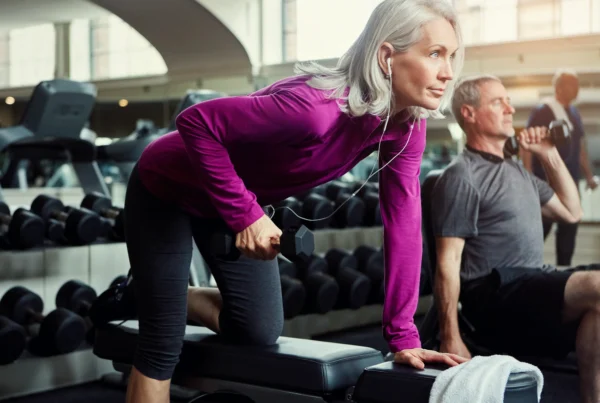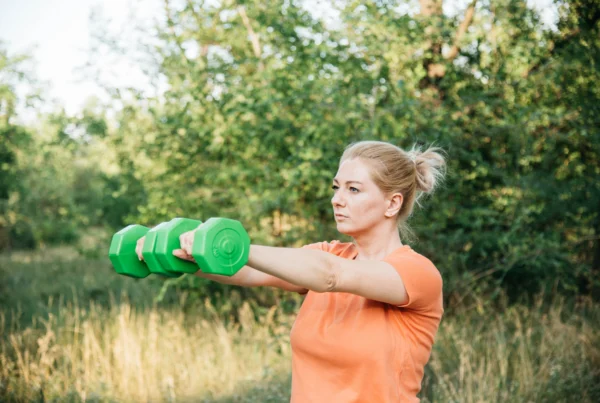
When you hear the words “strength training,” you might picture lifting weights at a gym. But strength is also what helps you get out of a chair, climb stairs, carry groceries, maintain your balance, reach overhead, and participate in the activities you enjoy.
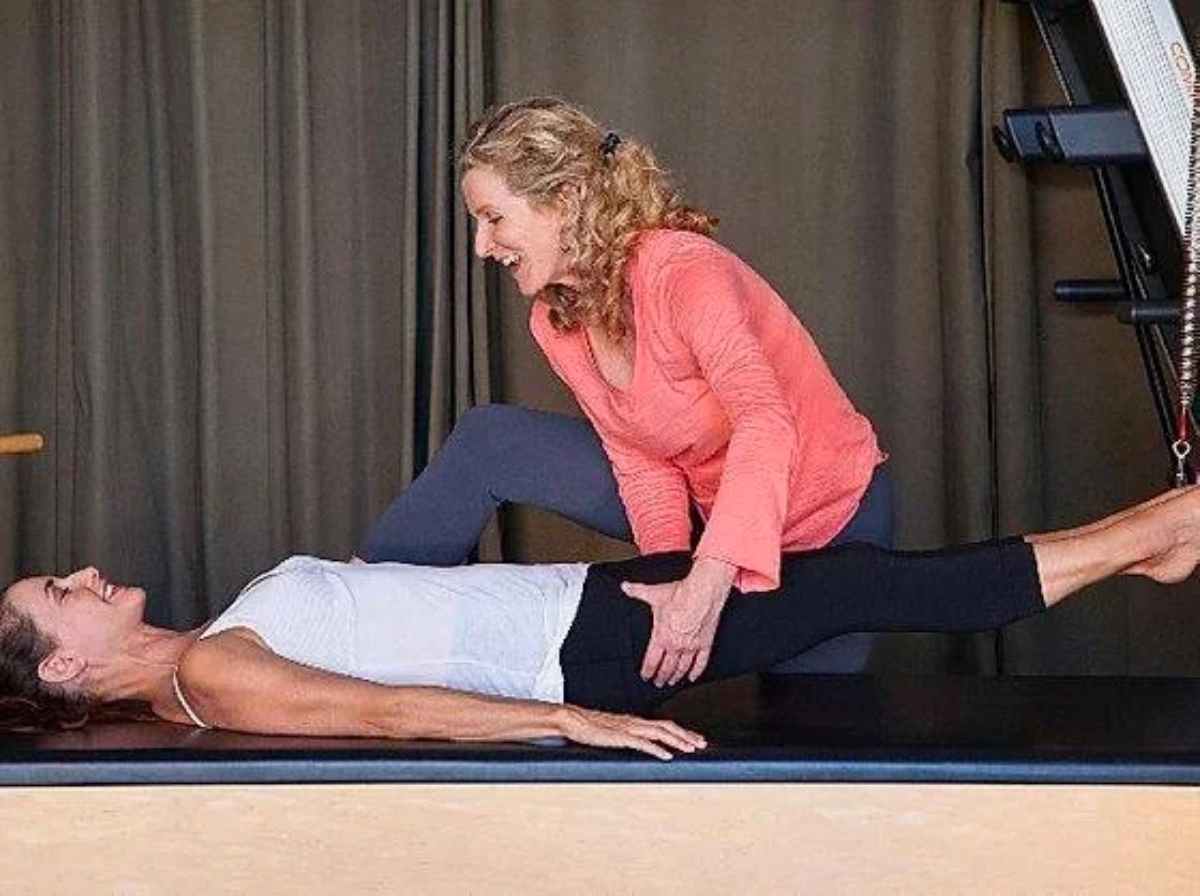
Pilates offers a different approach to building strength. It combines controlled movement with resistance, flexibility, balance, and whole-body coordination. The goal is not simply to make individual muscles stronger, but to help your body work together more effectively so you can move with greater strength and control.
This approach can be particularly valuable when you are recovering from an injury, returning to activity after a period of inactivity, or simply finding that everyday movements are becoming more difficult. Pilates exercises can be adapted to your current abilities and gradually progressed as your strength and function improve.
How Does Pilates Build Strength?
Pilates helps build strength by engaging muscles throughout the body in controlled, purposeful movements. Depending on the exercise, resistance can come from your own body weight, gravity, springs on Pilates equipment, or other forms of resistance.
Exercises can also be progressed as you become stronger by changing the resistance, body position, range of motion, repetitions, or complexity of a movement. Rather than simply completing an exercise, attention is given to how you move. For example, you might maintain torso control while moving an arm or leg or keep your pelvis stable as your legs work.
Although Pilates is often associated with the core, exercises can also strengthen the hips, legs, back, shoulders, arms, and other muscle groups.
The federal Physical Activity Guidelines for Americans recommend that adults include muscle-strengthening activities at least two days each week as part of an active lifestyle.
How Strength Supports Everyday Movement
In daily life, strength helps you perform movements that can easily be taken for granted.
Consider standing up from a chair. Your gluteal muscles, legs, abdominal muscles, and torso all work together to help you rise. Walking up a flight of stairs requires strength along with stability and control. The same is true when you bend, reach, carry something, or get down onto the floor and back up again.
Building and maintaining strength can make it easier to continue doing these everyday activities as well as the recreational activities you enjoy.
Why Whole-Body Strength Matters
Weakness, stiffness, or changes in one area of the body can affect how you move elsewhere. Your body may begin moving differently to accomplish a task when one area is not moving or functioning as effectively as it should.
This is one reason I take a whole-body approach when working with my clients. Where you feel discomfort is important, but it does not always tell the entire story.
I look at how different parts of your body work together, including strength, flexibility, alignment, balance, and coordination. From there, we can identify what needs attention and develop an approach that supports more comfortable and effective movement.
Pilates and Rehabilitation
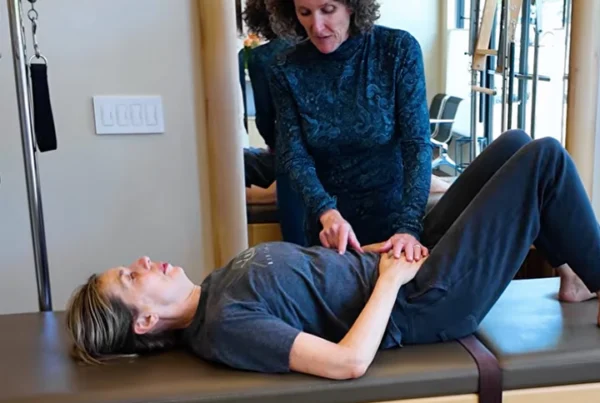
The same whole-body principles used in Pilates can also be incorporated into physical therapy and rehabilitation.
After an injury, surgery, or a period of reduced activity, your body may need time to rebuild strength, control, and mobility. Simply returning to everything you did before may not be the best place to start.
With Pilates-based rehabilitation, exercises can be selected and modified according to your current abilities and gradually progressed as your strength and function improve.
When I design your treatment program utilizing the Pilates method, the exercises are chosen based on an evaluation of your condition, movement, and individual goals. This evaluation allows us to create a customized rehabilitation program that addresses your specific needs and helps you return to the activities that are important to you.
Building the Strength You Need for Your Life
The strength you need depends on what you want and need your body to do.
For one person, the goal may be regaining mobility and being able to manage day-to-day activities more easily. For another, it might be returning to hiking after an injury. Someone else may want to be able to help care for their grandchildren, work in the garden, or return to a favorite sport.
That is why strengthening does not necessarily look the same for everyone. When I work with you, I consider where you are now and what you want to be able to do. From there, we can identify areas that need attention and gradually progress exercises to support those goals.
Strength That Supports the Way You Move
 If pain, injury, weakness, or changes in the way you move are keeping you from doing the things you enjoy, schedule an appointment with Kathleen McDonough Physical Therapy & Pilates. Together, we can look at how your whole body is moving and develop an individualized plan to help you build the strength and function you need.
Frequently Asked Questions
How strong or flexible do I need to be to do Pilates?
You do not need to have a certain level of strength or flexibility before starting Pilates. Exercises can be adapted to your current abilities and gradually progressed as your strength, flexibility, and control improve.
Can Pilates exercises be modified if I have physical limitations?
Yes. Pilates exercises can be modified by changing the position, resistance, range of motion, or complexity of the movement. If you are receiving physical therapy, exercises can be selected and adapted based on your evaluation and individual needs.
What is the difference between Pilates and Pilates-based rehabilitation?
Pilates-based rehabilitation combines Pilates principles and exercises with physical therapy. Exercises are selected based on an evaluation of your condition, movement, and individual goals and can be modified and progressed as your needs change.