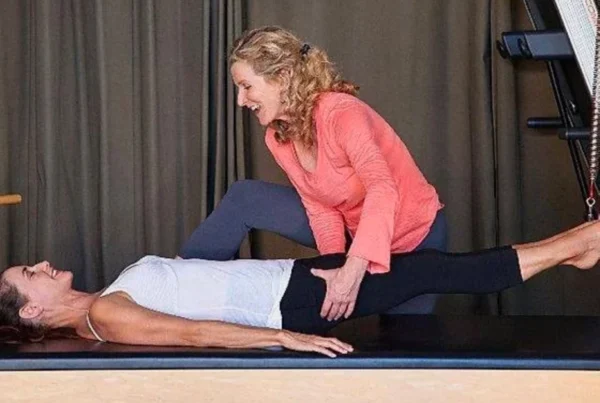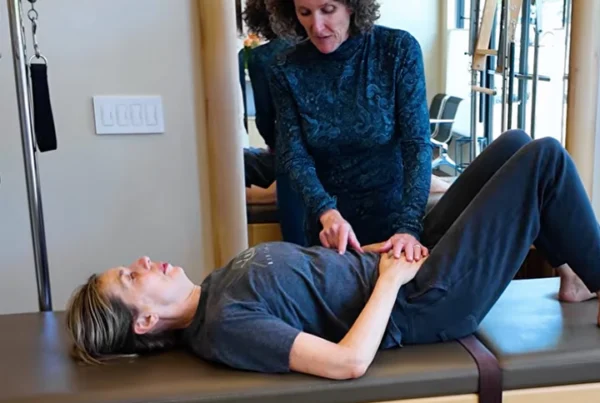

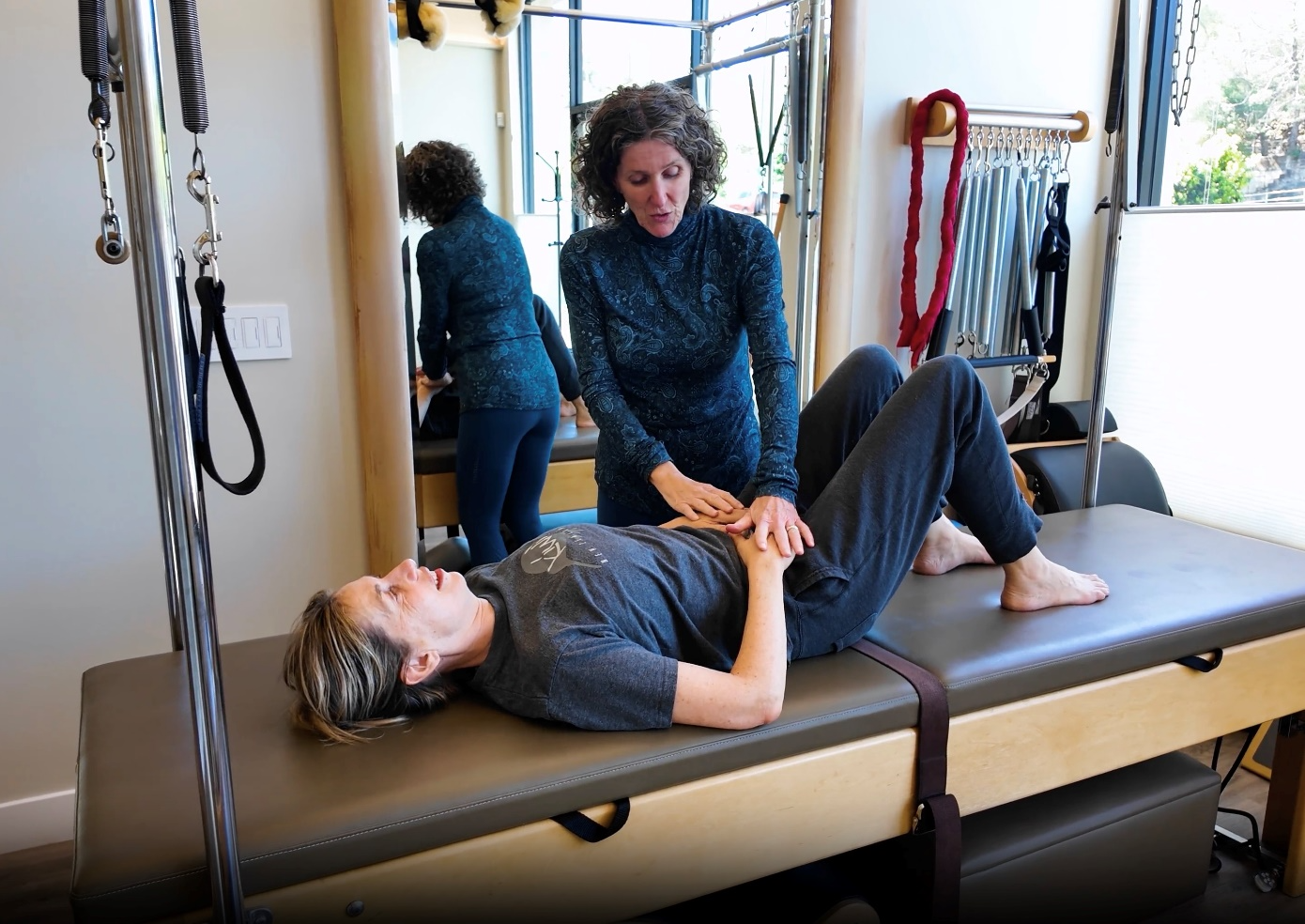
Sciatic pain is something I see frequently in my San Anselmo physical therapy practice. Many people come in describing pain that begins in the lower back or buttock and travels down the leg. Sometimes it feels sharp, sometimes like burning, tingling, or numbness. Sitting for long periods, driving, or even walking can suddenly become very uncomfortable.
When this type of pain develops, many people worry that something serious is wrong with their back. In many cases, however, the issue is irritation of the sciatic nerve combined with movement patterns that are placing extra stress on the lower back and hips. Physical therapy focuses on identifying those patterns and helping the body move in a way that allows the nerve to settle down and heal.
What Is Sciatic Pain?
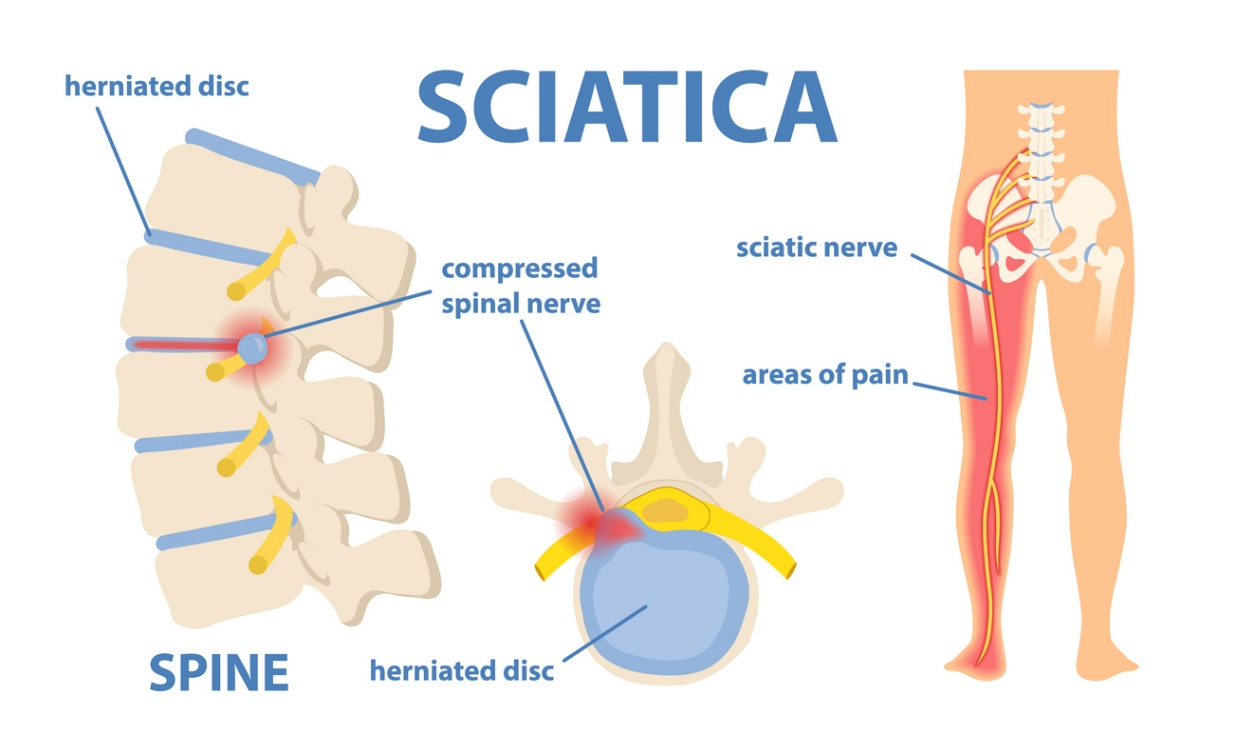 The sciatic nerve begins in the lower spine, travels through the buttock, and runs down the back of the leg before branching into the lower leg and foot. When the nerve becomes irritated, symptoms may travel along that pathway.
People experiencing sciatic pain often notice discomfort in the buttock, pain that moves down the back of the leg, or tingling and numbness that may reach the calf or foot. The symptoms are usually felt on one side of the body.
Sciatic can develop for a variety of reasons. Sometimes it is related to disc irritation in the lower spine. In other cases, tight muscles around the hips or pelvis may place pressure on the nerve. Prolonged sitting, poor posture, or changes in how the body moves can also contribute.
Because the causes can vary, treatment works best when it is individualized.
How Physical Therapy Helps Sciatic Pain
Physical therapy focuses on improving the way the body moves so that the structures around the sciatic nerve are no longer under unnecessary strain.
When I evaluate someone with sciatic pain, I look at how their spine, hips, and pelvis move together. Small imbalances in strength or mobility can sometimes place repeated stress on the same area of the back.
Treatment often includes gentle movement, specific strengthening exercises, and guidance on posture and daily activities. The goal is to reduce irritation around the nerve while helping the body regain healthy, balanced movement.
For many people, these changes can gradually decrease pain and improve overall comfort with everyday activities.
The Role of Pilates
Because my background includes both physical therapy and Pilates, I often incorporate Pilates-based principles into treatment.
Pilates emphasizes core stability, alignment, and controlled movement. These elements can be very helpful for people experiencing sciatic pain because they help support the spine and reduce unnecessary strain on the lower back.
Rather than focusing only on isolated exercises, Pilates encourages awareness of how the body moves as a whole. This approach can help patients develop stronger and more efficient movement patterns that support long-term recovery.
Exercises to Relieve Sciatic Pain
During treatment, I often teach patients exercises designed to gently reduce tension around the sciatic nerve and improve mobility in the hips and lower back.
The short video included here demonstrates one example of an exercise I sometimes introduce to patients experiencing sciatic pain. The goal is to help the body move in a way that reduces stress on irritated tissues.
To watch the video, click here.
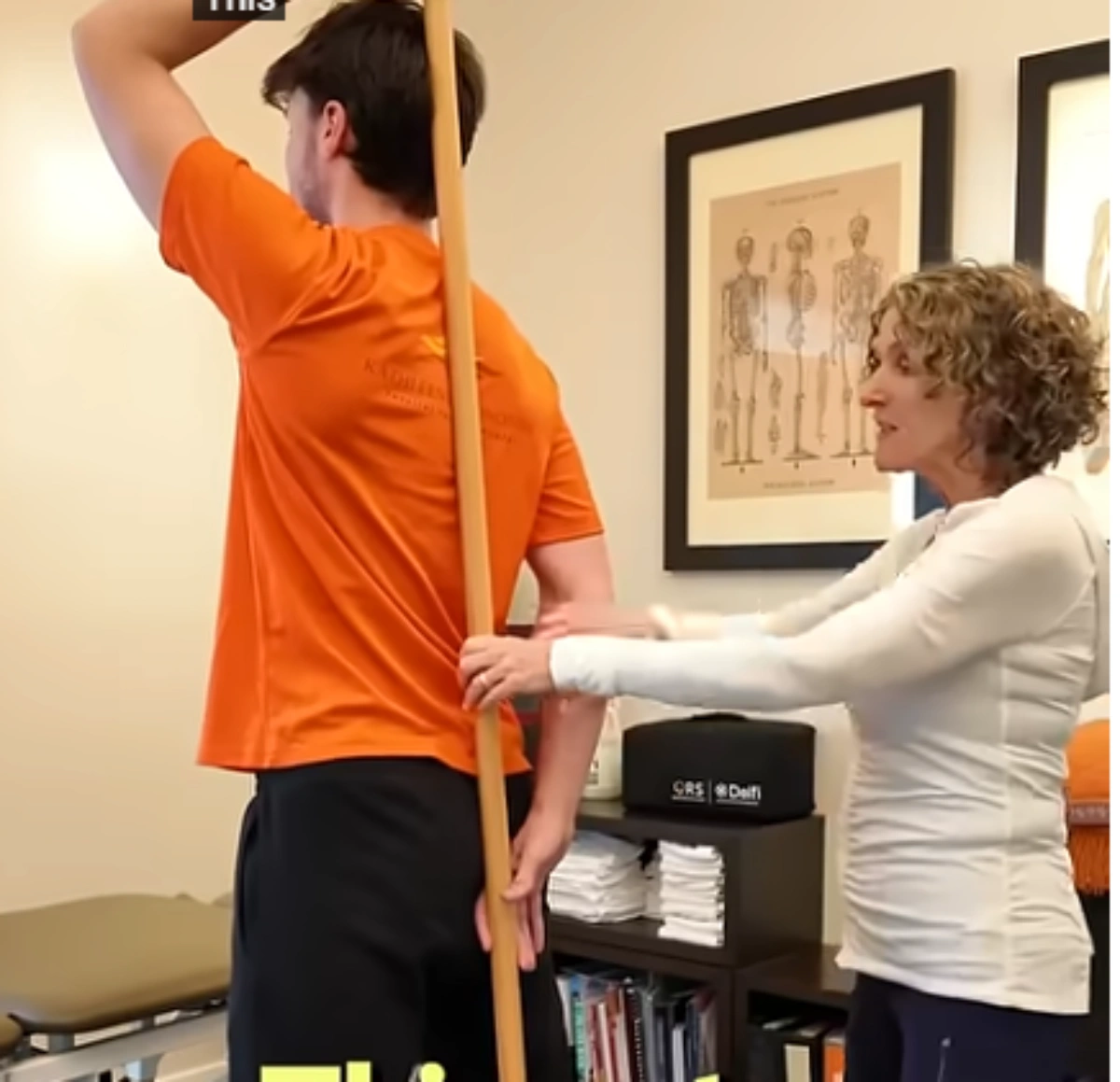 It’s important to remember that exercises should always be chosen based on an individual evaluation and the specific cause of symptoms.
When to Seek Help for Sciatic Pain
If sciatic pain lasts more than a few days, becomes more intense, or begins interfering with everyday activities such as sitting, walking, or sleeping, it is time to seek professional guidance.
Early evaluation can make a significant difference. Addressing the problem before the body begins compensating for the pain often leads to a faster and more comfortable recovery.
Physical therapy can help identify the underlying cause of sciatic pain and provide targeted movement strategies to reduce irritation of the nerve. With the right guidance, many people are able to relieve symptoms, restore normal movement, and return to their regular activities with greater confidence.
Physical Therapy for Sciatic Pain in San Anselmo, CA
If you are experiencing sciatic pain in San Anselmo, CA, physical therapy can help identify the underlying causes and guide you toward safer, more comfortable movement.
At Kathleen McDonough Physical Therapy, treatment focuses on individualized care, thoughtful movement strategies, and helping patients develop strength and stability that support long-term spinal health. With the right guidance, many people are able to reduce discomfort, move more freely, and return to the activities they enjoy.