GLP-1 medications such as Mounjaro, Wegovy, Ozempic and Zepbound have received a great deal of attention for helping people lose significant amounts of weight. In my physical therapy practice, I have seen firsthand what that can mean for people who have struggled with their weight while also dealing with type 2 diabetes, prediabetes, osteoarthritis, back pain or painful knees and hips.
For some of my patients, weight loss had become a frustrating cycle. Losing weight could reduce stress on painful joints and improve their overall health, but pain made it difficult to exercise. I have always tried to help patients find ways to move and exercise without making them feel judged or ashamed of their size. Many were fit and active but still heavier than they felt was optimal for their health.
GLP-1 medications have changed the picture for some of these patients. They have helped people who struggled for years with weight loss finally lose significant amounts of weight.
But that raises another important question: How do you lose weight while maintaining the muscle, strength and bone health you need to stay active and healthy?
That is why GLP-1 muscle loss has become an important part of the conversation about weight loss and healthy aging.
Why Are GLP-1s Being Studied for Healthy Aging?
A recent New York Times article, “Are Weight-Loss Drugs Also Longevity Drugs?”, looked at the growing interest in whether GLP-1 medications could eventually have a role in healthy aging.
There are reasons researchers are interested. GLP-1 medications can improve metabolic health, and research has found benefits for certain cardiovascular, kidney and liver conditions. Researchers are also investigating their effects on inflammation and other processes associated with aging.
However, whether these medications can actually extend lifespan is still being studied. For now, there is not enough evidence to recommend GLP-1 medications to otherwise healthy people simply for longevity.
There is another side to the healthy-aging discussion that deserves attention: What happens to your muscles and bones when you lose a significant amount of weight?
Weight Loss Does Not Mean Losing Only Fat
When you lose a significant amount of weight, most of the weight you want to lose is body fat. However, some muscle is typically lost along with fat. How much muscle is lost varies from person to person and can be influenced by factors such as diet, physical activity and strength training.
This loss of muscle mass is not unique to GLP-1 medications. Some muscle loss commonly occurs with significant weight loss, regardless of how the weight is lost. Cleveland Clinic explains that muscle loss associated with GLP-1 weight loss appears to be related to the weight-loss process rather than the way the medication itself works.
That distinction is important. The goal is not to discourage weight loss or the use of medication prescribed by your healthcare provider. It is to recognize that maintaining muscle and strength deserves attention while you are losing weight.
Why GLP-1 Muscle Loss and Maintaining Strength Matter
 We use our muscles throughout the day, often without thinking about them. You need strength to get out of a chair, climb stairs, carry groceries, work in the garden, get up from the floor and catch yourself if you lose your balance.
Maintaining muscle and strength can help you remain active and independent as you get older. This becomes especially important because muscle mass and strength naturally tend to decline with age.
Cleveland Clinic recommends exercise, including strength training, to help preserve muscle during GLP-1-assisted weight loss. Their guide to exercising while taking GLP-1 medications also emphasizes gradually increasing exercise rather than trying to do too much too quickly.
While you are working on losing weight, it is also worth asking:
- Am I maintaining my strength?
- Can I comfortably perform my normal activities?
- Am I staying physically active?
- Is my balance good?
- Am I maintaining or improving my fitness?
Weight loss and physical fitness are not the same thing.
Your Bone Health Matters, Too
Muscle is not the only consideration during significant weight loss. We also need to think about our bones.
Bone loss becomes an increasing concern as we age, particularly for peri- and postmenopausal women, because hormonal changes associated with menopause can accelerate the loss of bone. For people who already have osteopenia or osteoporosis, maintaining bone strength and reducing the risk of further bone loss becomes especially important.
Exercise plays an important role in maintaining bone health. The National Institute of Arthritis and Musculoskeletal and Skin Diseases explains that weight-bearing exercise and resistance training help strengthen muscles and bones. Balance training is also particularly important for older adults because improving balance can help reduce falls and fractures.
Muscle and bone health are closely connected. Strong muscles help support movement and balance, while appropriate resistance and weight-bearing activities place demands on bones that help support bone health.
For someone who already has osteopenia, osteoporosis or other physical limitations, however, not every exercise is appropriate. The type and intensity of exercise need to be selected carefully.
Strength Training Can Help Protect Muscle During Weight Loss
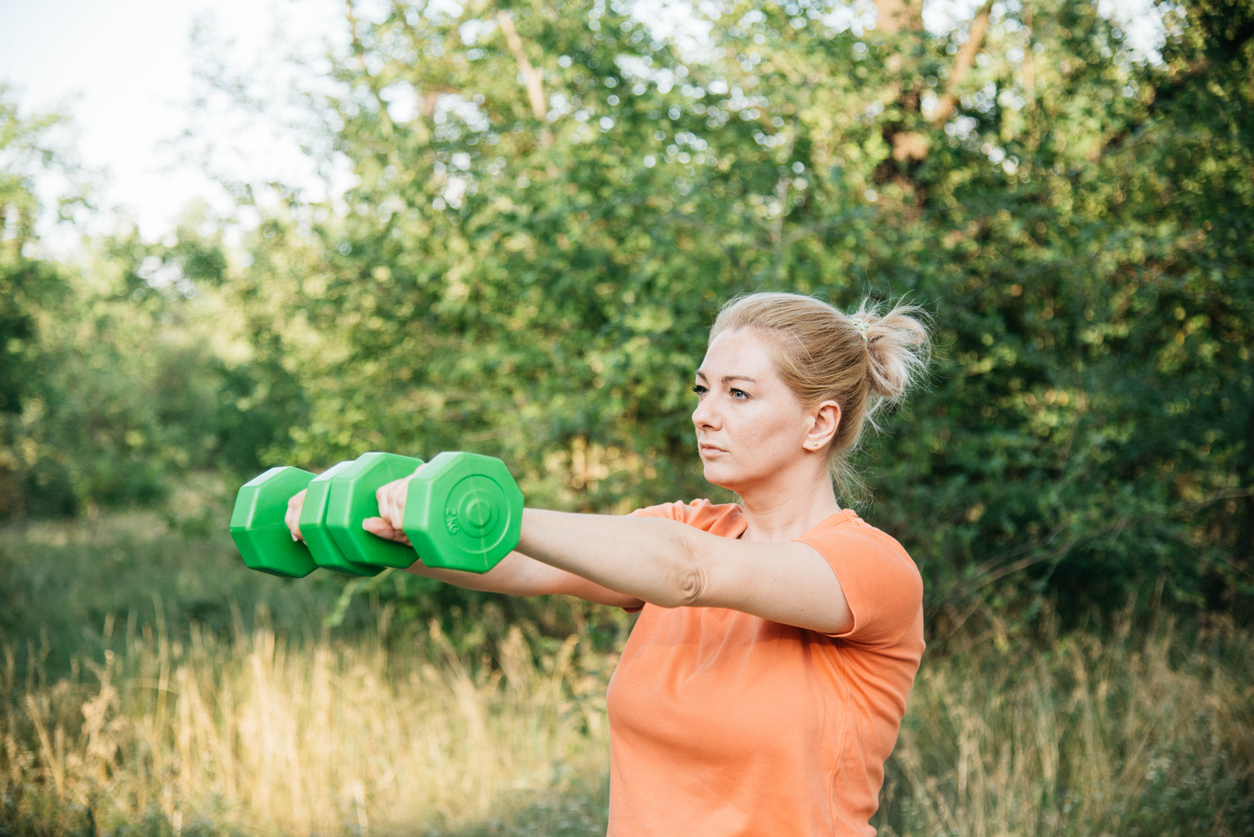
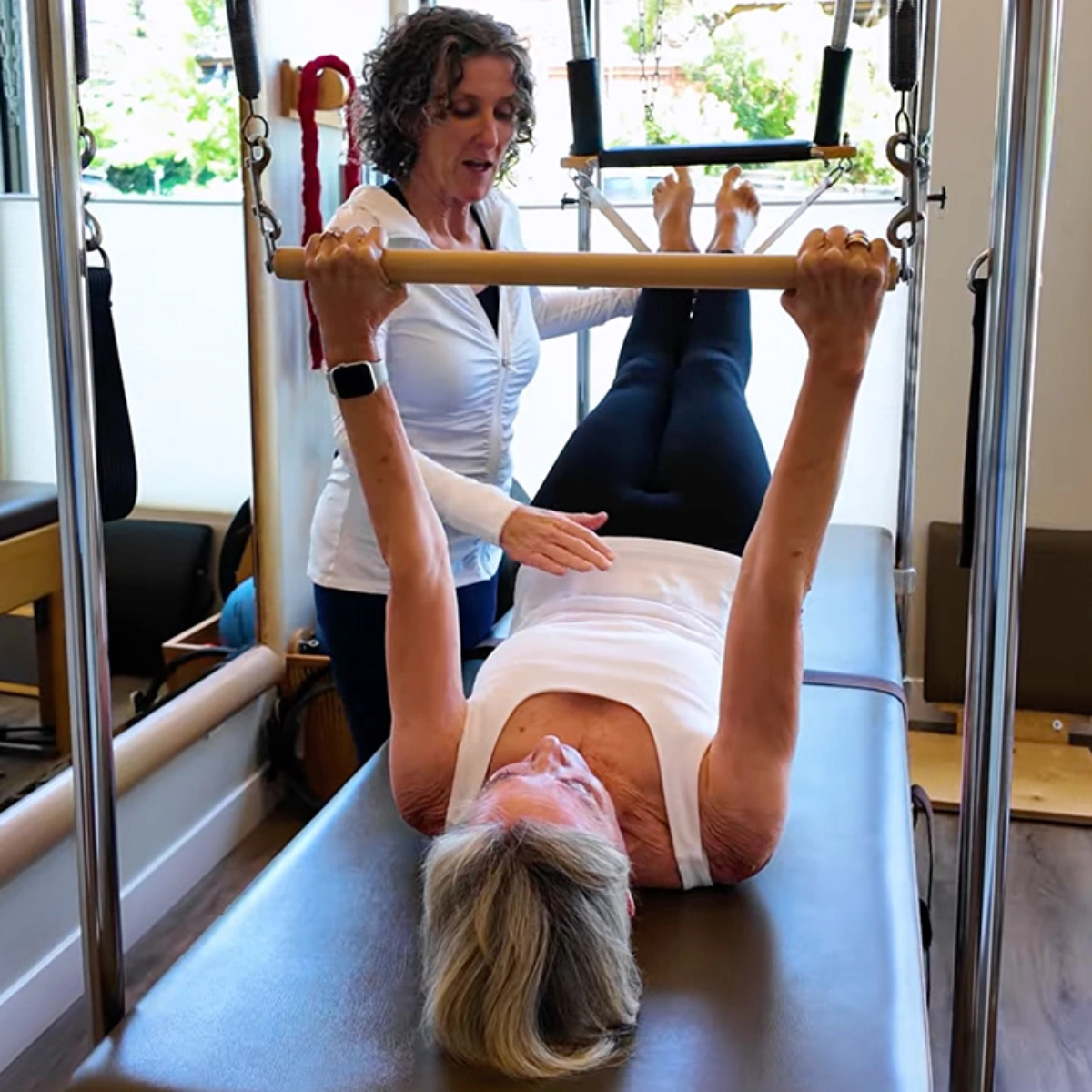 Resistance exercise makes your muscles work against some form of resistance. This can include free weights, weight machines, resistance bands or your own body weight. Strength training can help maintain muscle and strength while you are losing weight.
The amount of resistance matters, too. The goal of strength training is to provide enough challenge to stimulate your muscles and help them become stronger. That does not mean everyone should immediately start lifting heavy weights. The appropriate resistance depends on your current strength, experience and physical condition.
However, preventing injury is just as important as getting stronger. If you have not exercised regularly, suddenly beginning a strenuous workout program or progressing too quickly can put unnecessary stress on muscles, tendons and joints.
This is especially important if you have back, hip or knee pain, arthritis, balance problems, an old injury, osteopenia, osteoporosis or other physical limitations. Certain exercises or movements may need to be modified, and the appropriate starting point will be different for each person.
A strength program should begin at a level your body can safely handle and progress gradually as your strength and fitness improve. The goal is not simply to exercise more or lift heavier weights. It is to build and maintain strength while reducing the risk of injury.
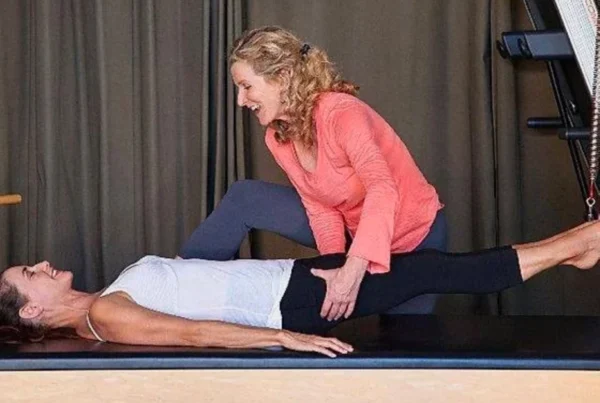
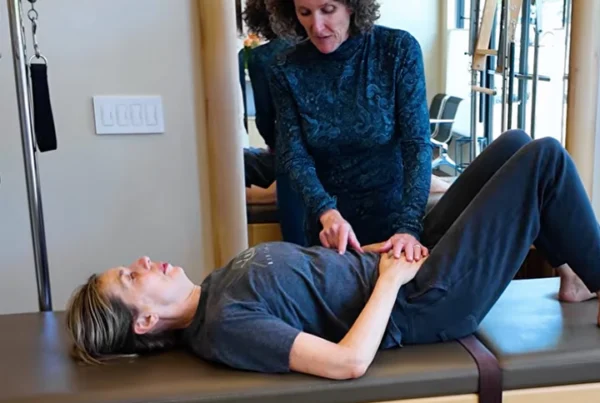
Working with a physical therapist can help you begin an appropriate strength program based on your current abilities and physical limitations while reducing your risk of injury. This can be particularly valuable when you are beginning a GLP-1 weight-loss program and want to make maintaining muscle, bone health and physical function part of your overall plan.
A physical therapist can also help make sure you are exercising at an appropriate intensity and using proper body mechanics and lifting techniques as you become stronger.
Look Beyond the Number on the Scale
Whether your focus is on losing weight, longevity or both, maintaining muscle, strength, bone health, balance and mobility is an important part of staying active and physically capable as you get older. I can help you develop an exercise program based on your individual needs and abilities, especially if pain, a previous injury, osteopenia, osteoporosis or another physical limitation makes you unsure about how to exercise safely. Contact Kathleen McDonough Physical Therapy & Pilates to schedule an evaluation.
In my next blog, I will explain more how I use physical therapy, strength training and Pilates to help people maintain muscle and bone health during weight loss, including how I determine where to start, choose appropriate exercises and progress them safely to help prevent injury.